
CI on Saturday
One Saturday per month
A whole Day of Contact Improvisation
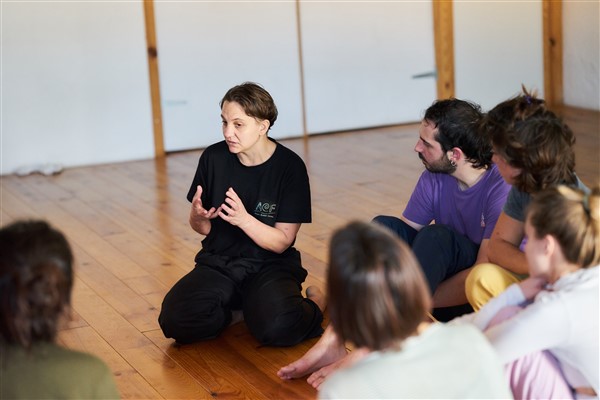
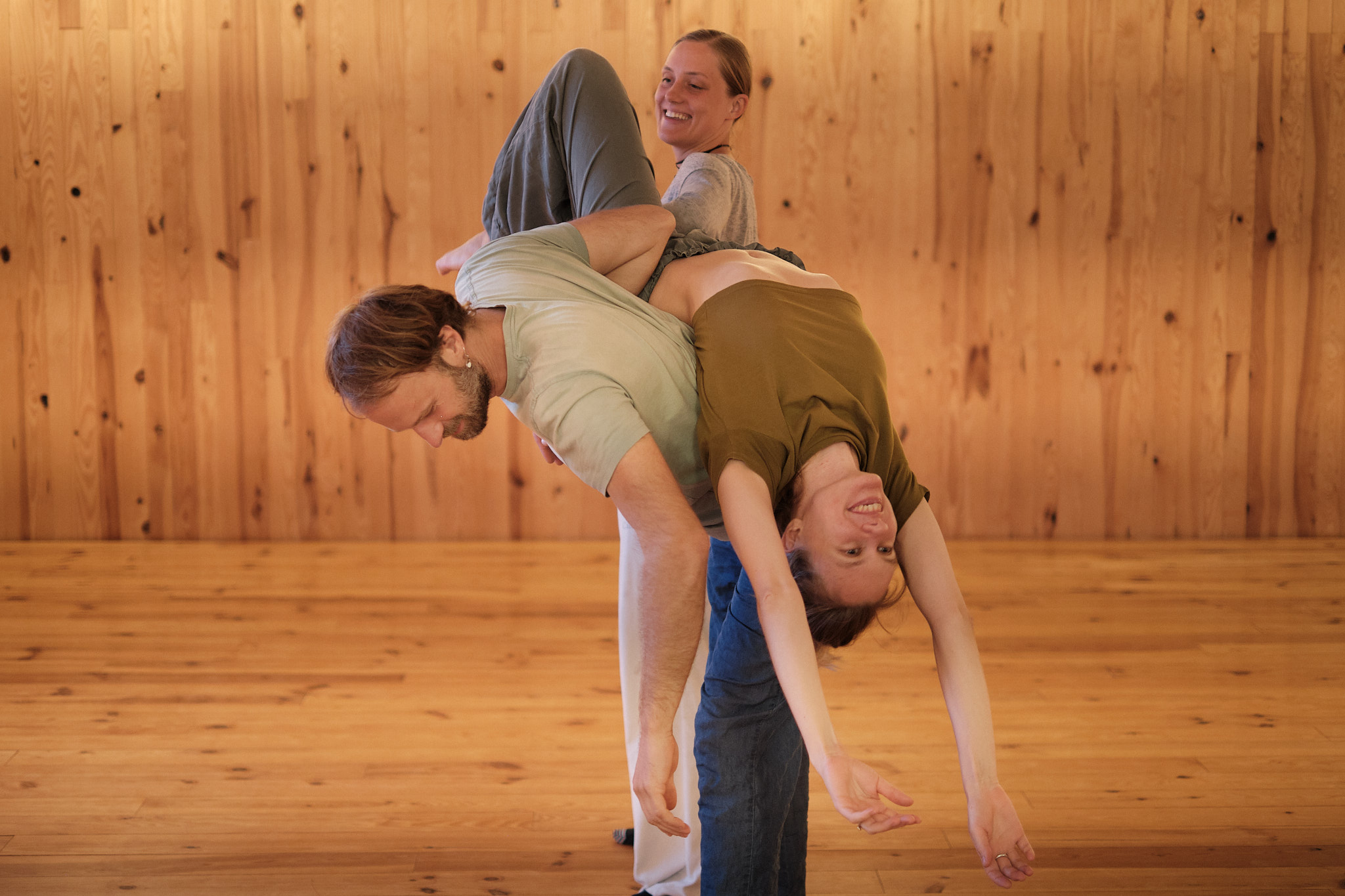
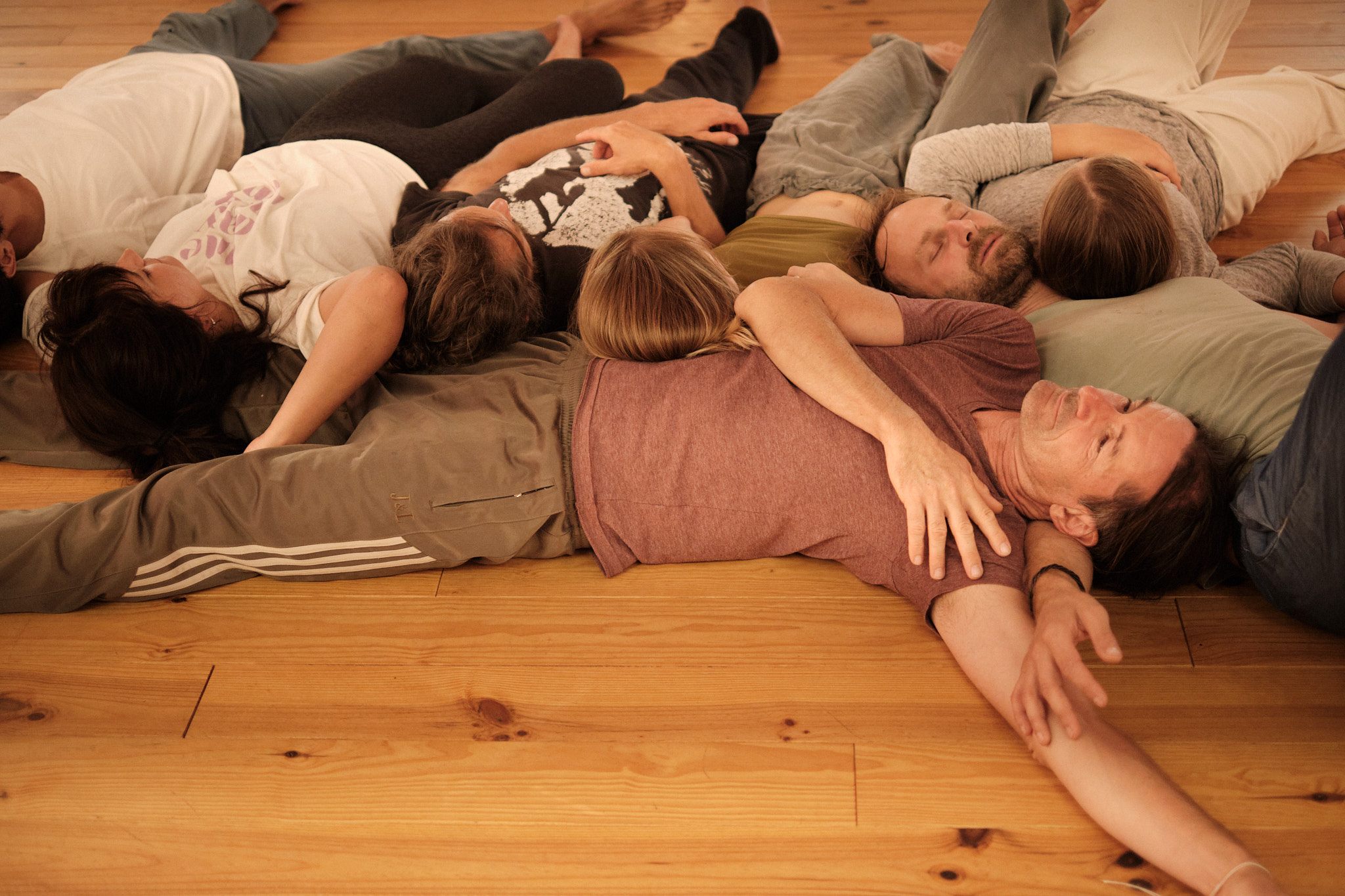
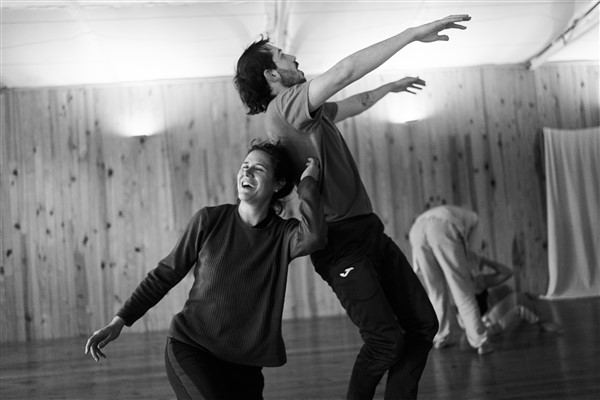
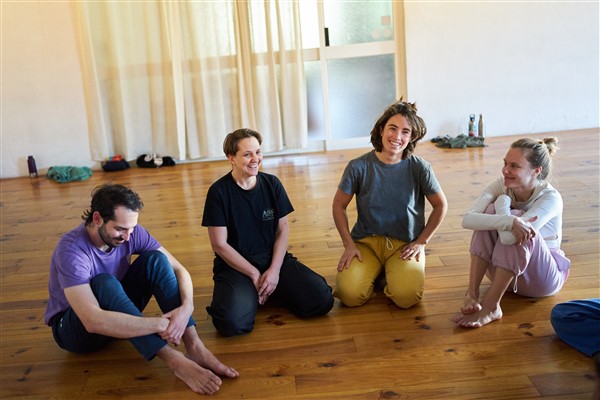
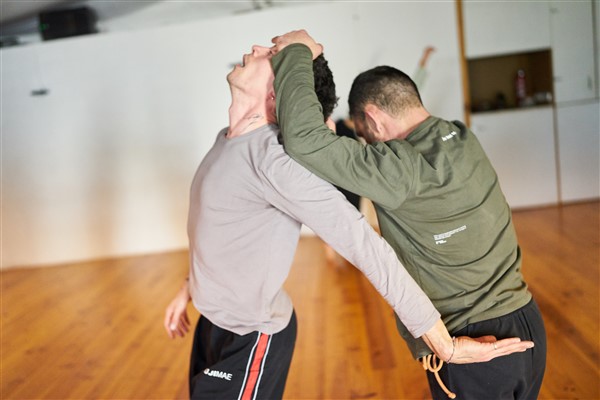
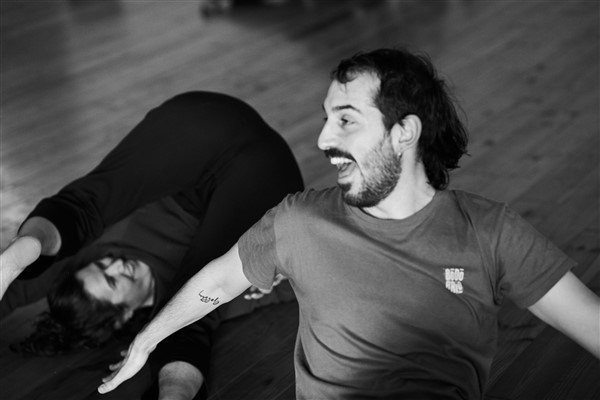
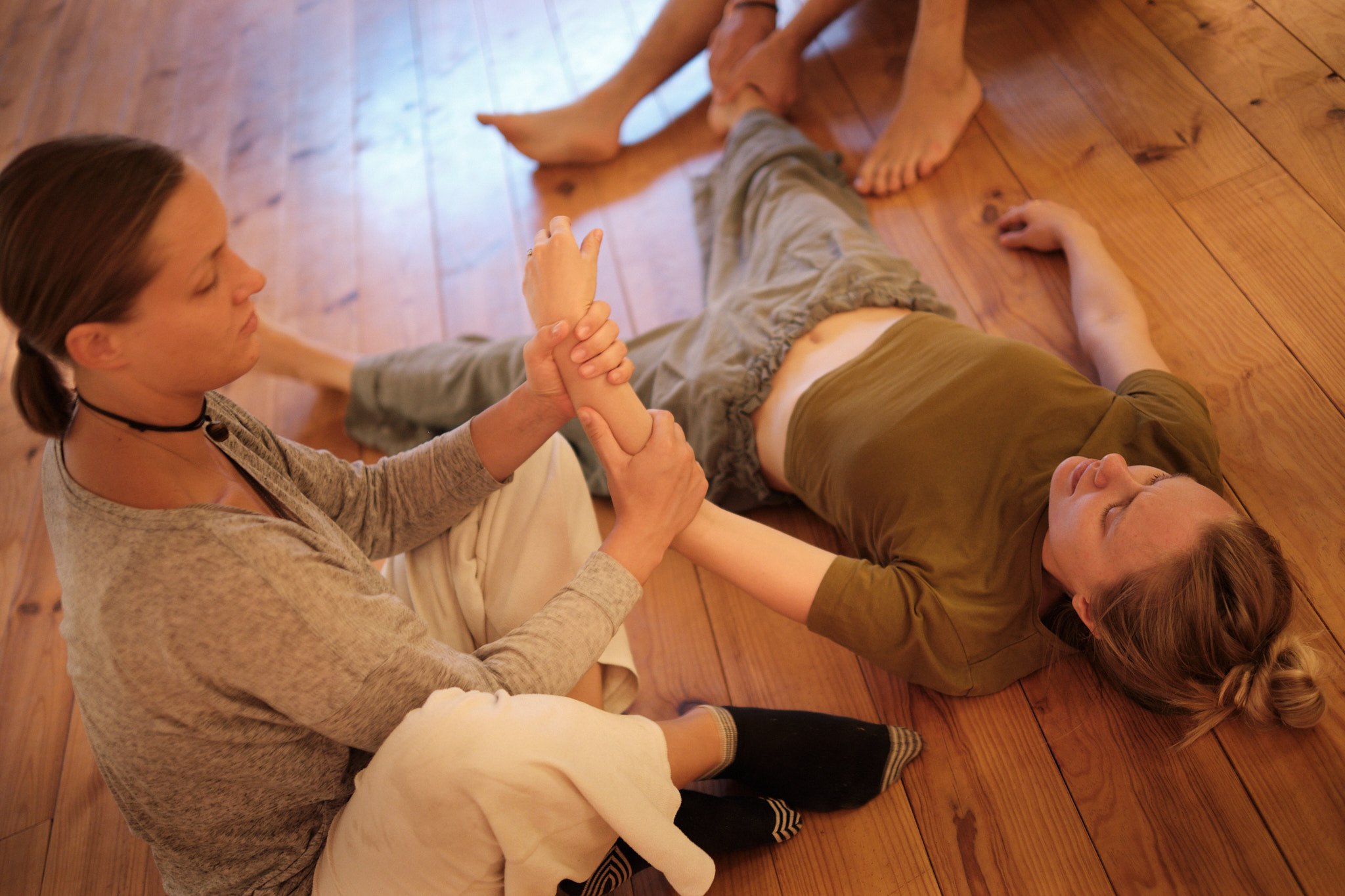
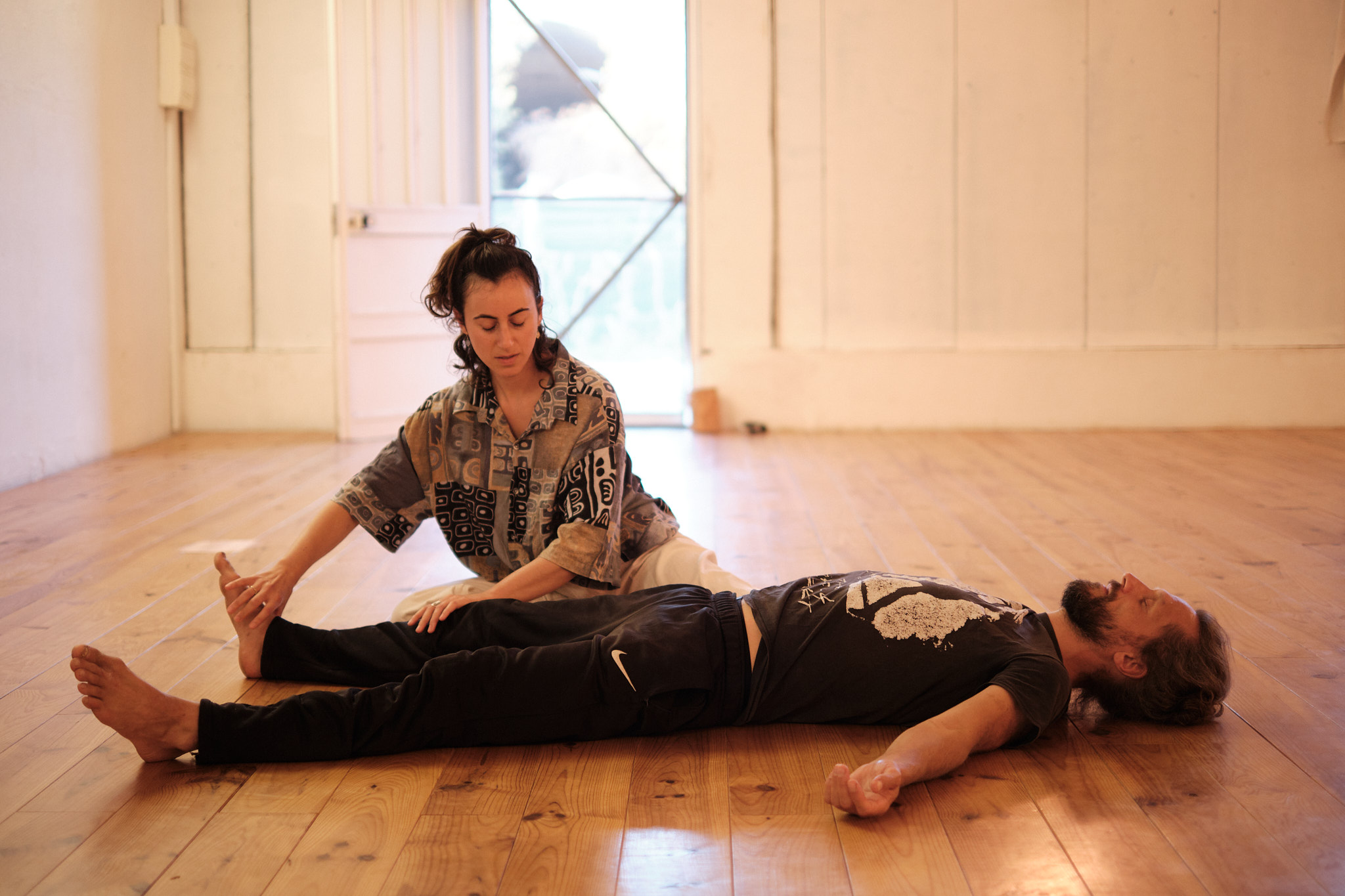
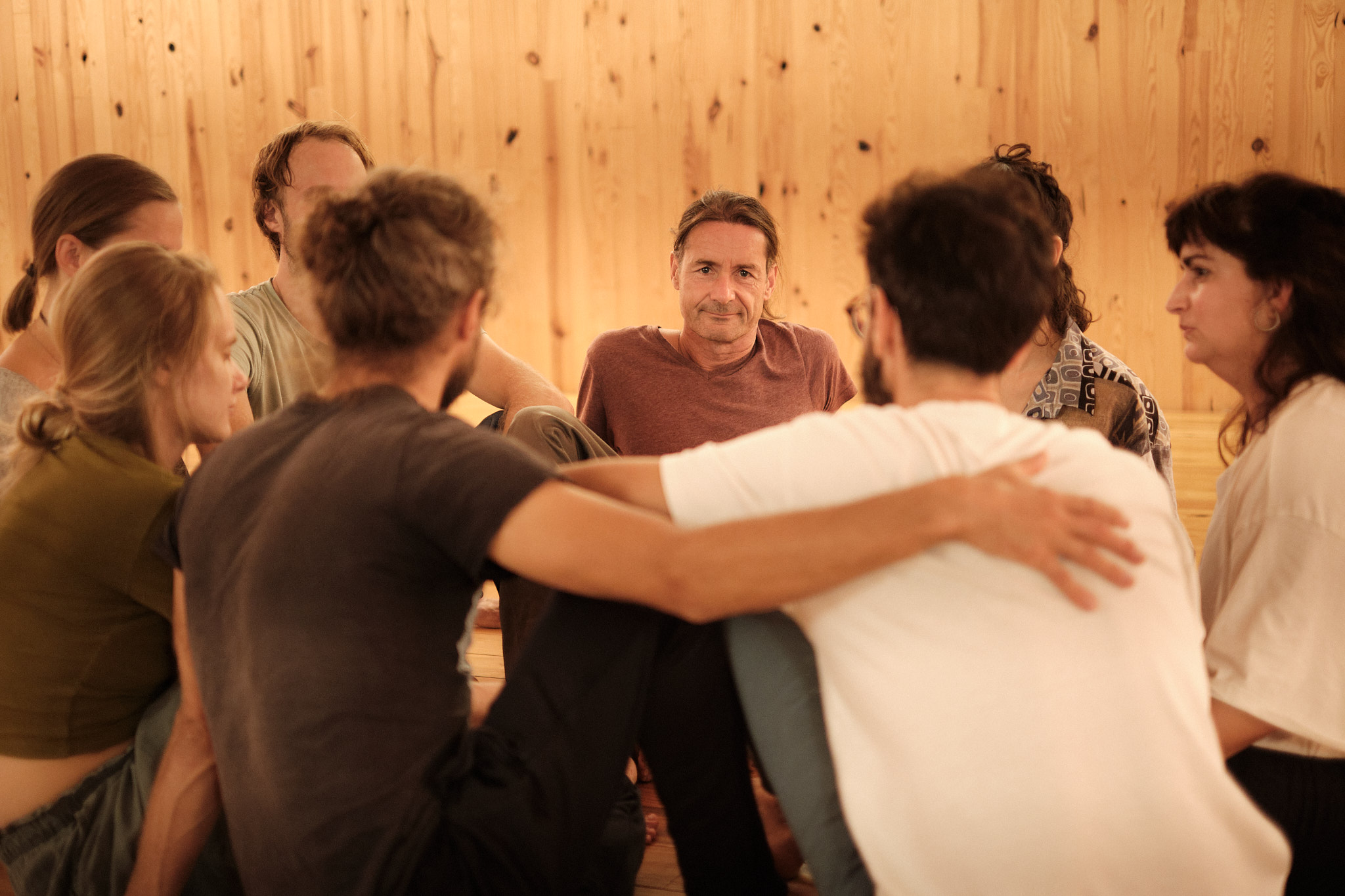
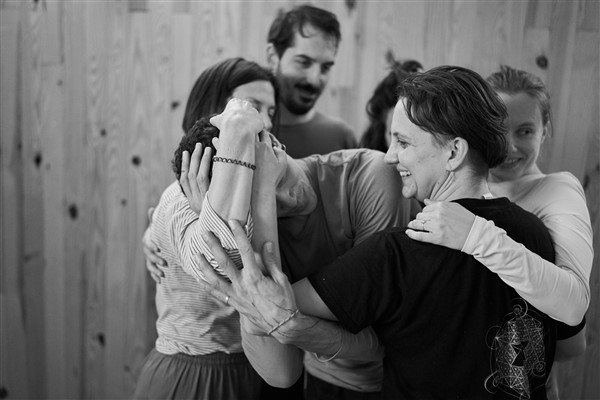
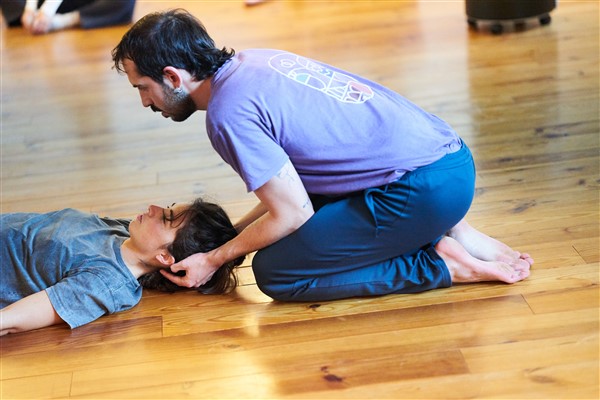
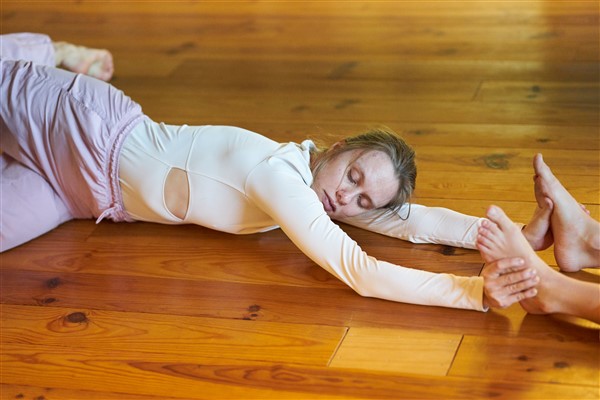
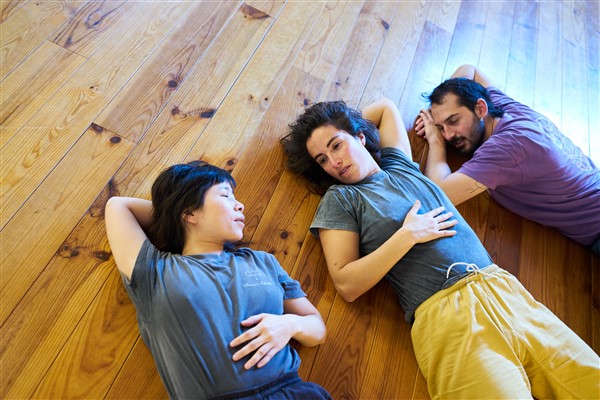
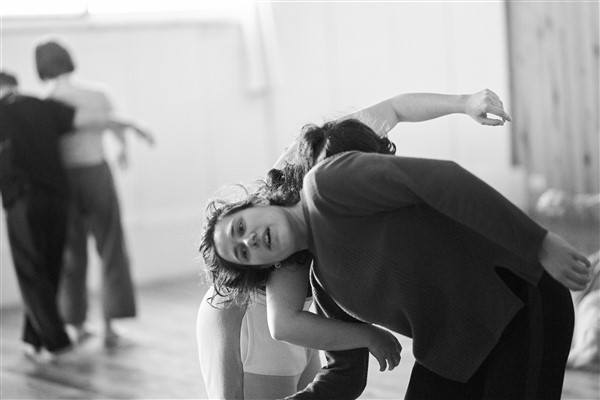
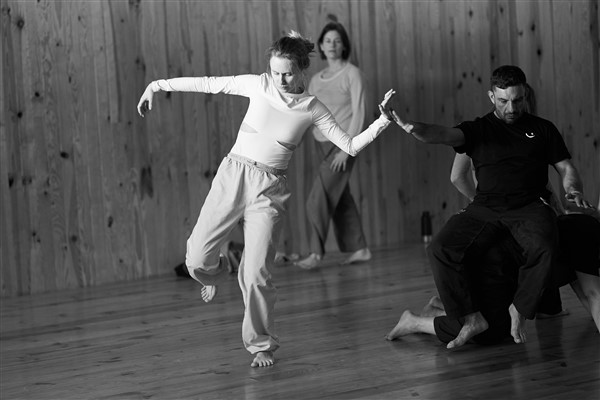
We’re excited to present a longer Contact Improvisation format at SerVivo. One Saturday per month we open our doors, studio and hearts for a full day of dancing and practising Contact Improvisation. We will invited special teachers, bringing diverse perspectives and different approaches to this wonderful dance form.
In the morning we will dive deep with a 2.5-hour CI class, followed by a break with a potluck lunch to connect and rest.
Then we go in the second round: the afternoon jam, also for 2.5 hours.
Let’s spend the day together in Arrábida, cultivating presence, community, and exploring the unknown!
Do you have questions? Send us an email:
Irene Pons & Jo Bruhn
Schedule & Prices
- CI Class (10:30 AM – 1:00 PM)
Sliding Scale: €15 to €30
Open as well for beginners (more information here)
Registration is mandatory - Potluck Lunch
(Bring a vegetarian dish to share during the break) - CI JAM (3:30 PM – 6:00 PM)
Sliding Scale: 8€ to 20€
No registration needed for the jam - Sleeping
If you cannot make it home,
you are welcome to stay in our dorm for 15€,
checkout before 10am, no breakfast possible
Dates & Facilitators
7th November 2026
Angela-Mara Florant
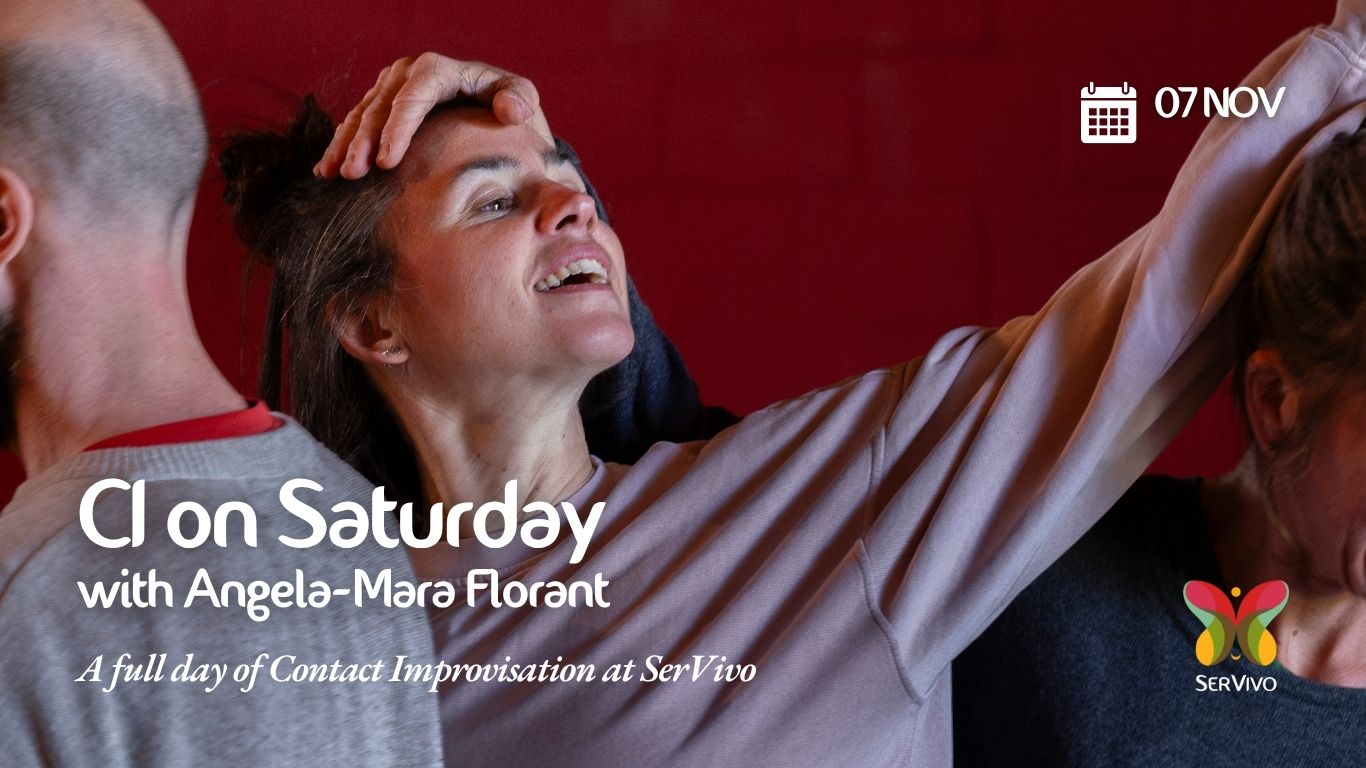
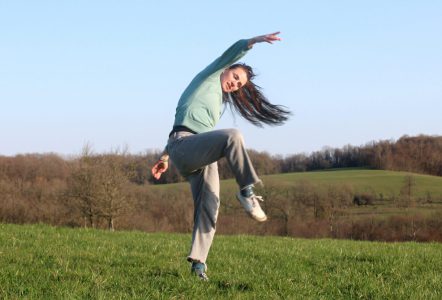
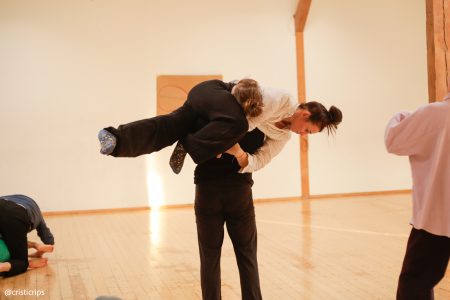
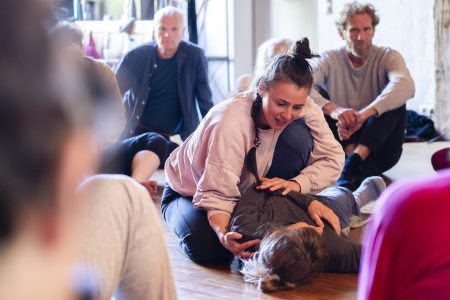
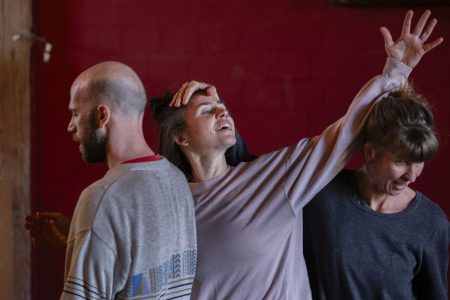
Head less – losing control
Focussing attention on the roundest body part, the highest point of the body, resting on the spine, which contains all the senses and the brain, is hard but extremely fragile – the head.
Letting go of the head, resting our heads on each other’s body and falling head first… trusting our partner, controlling and losing control.
Read more
How can the head lead us into a dance?
How is it when the head serves as hands to navigate surfaces through touch?
We will explore the relationship between our head and the rest of our body, and how our head relates to the physical landscapes of our dance partners. The class will include bodywork and other exercises to raise awareness of the head and neck.
Angela-Mara Florant
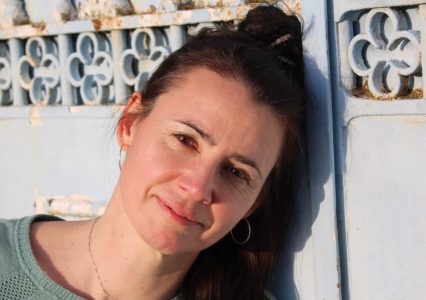
had her first experience with CI during her performance arts studies in Besançon, France. Based in Hamburg, she teaches several regular contact classes, gives workshops and organizes jams and festivals (NORDTANZ Festival). Since 2015, she is co- director of the dance studio “Triade” in Hamburg. In 2022, she brought to life the Contact CompanI, a dance company performing CI. When Angela-Mara is not dancing or teaching contact she is teaching corART (Pilates), directing independent theater productions, choreographing dance pieces (mostly based on CI). Teachers that have inspired her work are: Nancy Stark Smith, Jorg Hassmann, Nita Little, Anjelica Doniy, Mirva Makinen, Martin Keogh, Frey Faust, Scott Wells, Andrew Hardwood,
Daniel Lepkoff,…
For me CI is an art form. I love allowing my dance to be inspired by the composition of the room.
CI opens up space,
Space within me and outside of me,
Creative space unfolding.
I enjoy looking at movement from an anatomical perspective and at the same time love the playful unfolding of stories that can occur while dancing CI. Over and over again finding and reinventing myself while continuously rediscovering and uncovering new aspects of the form are my favorite subjects of my ongoing research.
www.angelamaraflorant.de
12th December 2026
Alexa Papa & Francisco Borges
Field of shared action
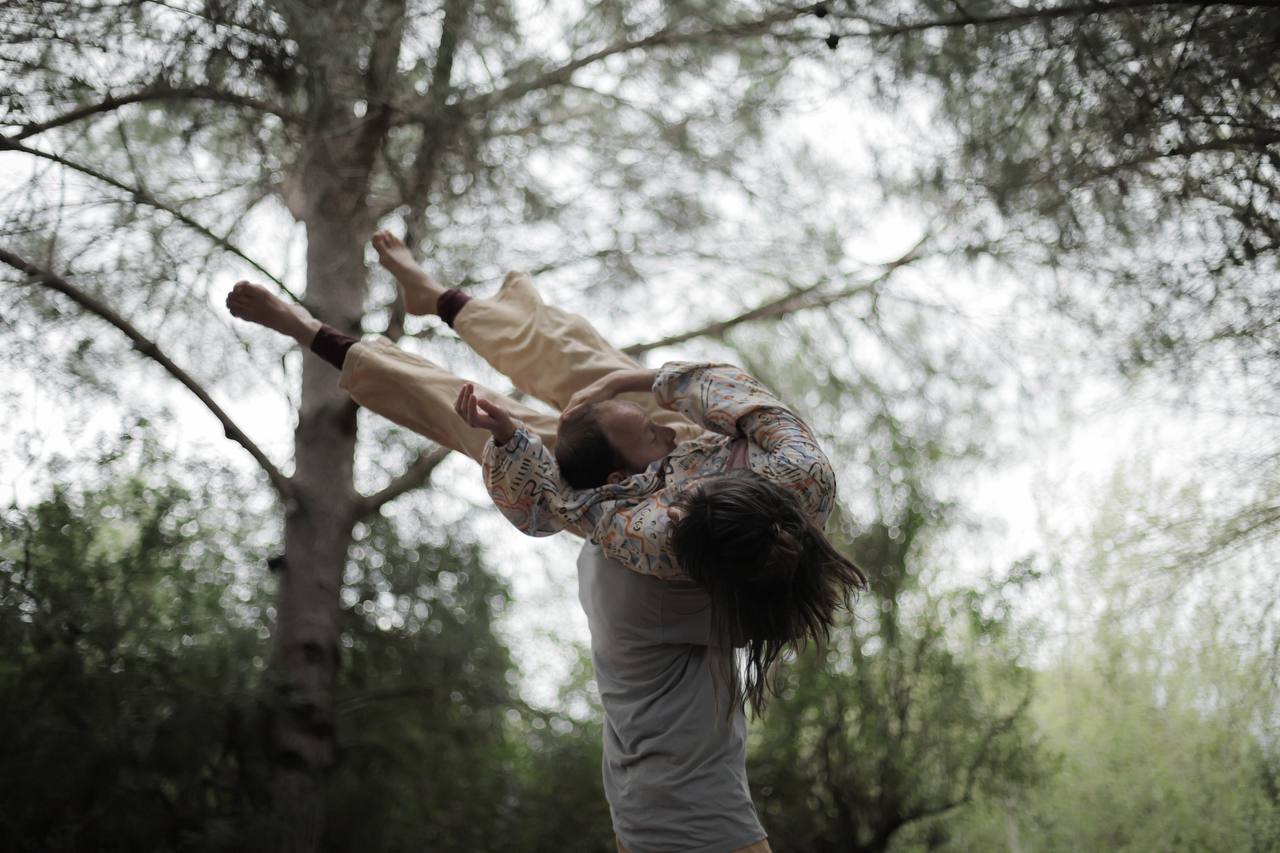
Field of Shared Action is an exploration of body, consciousness, attention and intention in movement, more specifically in Contact Improvisation.
Together we will investigate how two (or more) bodies can move as one, training on specific skills such as peripheral attention, physical readiness and availabiliy, embodied imagination and mutual empowerment.
Read more
Francisco Borges is a portuguese Contact Improvisation facilitator, performer, and organizer whose work unfolds at the intersection of movement, meditation, and nature-based practice. He is part of a network of international CI practitioners, collaborating across Europe and Asia in workshops, festivals, and research environments.
Francisco is based Quinta Ten Chi, a space for dedicated to embodied transformation. He is also co-founder of “Assembly – Making Space for Change”, through which he collaborates to host and create workshops, artistic residencies, and collective gatherings rooted in dance, somatics, and ecological awareness.
His teaching integrates Contact Improvisation with contemplative traditions such as Vipassana, Daoist philosophy, and martial arts principles, exploring how movement emerges from perception, attention, and relational awareness. This approach is reflected in workshops like “Action & Emptiness”, where CI is approached as a dialogue between stillness and action, form and formlessness.
Past CI on Saturdays
3rd October 2026
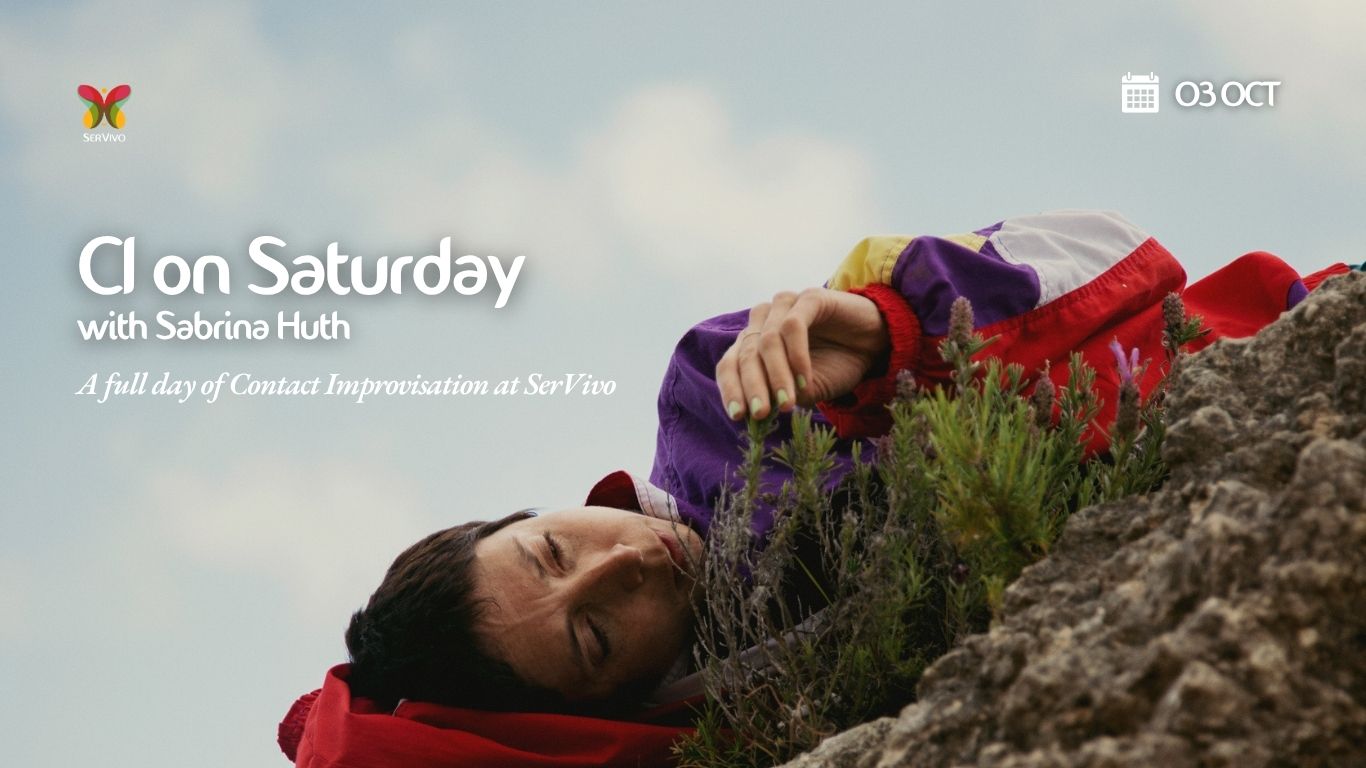
Sabrina Huth
Listening Bodying Moving
This workshop explores listening as an embodied practice and as a threshold for being and moving in contact with ourselves, our dance partners, and the space we share. We slow down to sense more, expanding the field of our perception.
Read more
Through somatic explorations, bodywork, and listening scores, we tune into the subtle information carried through touch, breath, weight, gravity, sound, and space. As listening deepens, we explore bodying as an ongoing process of sensing and relating, allowing movement to emerge as a shared dance.
The workshop is inspired by Pauline Oliveros’ Deep Listening and Lisa Nelson’s Tuning Scores, as well as my practice of Myoreflex Therapy, martial arts (Kung Fu & Tai Chi), Authentic Movement, and more than fifteen years of Contact Improvisation.
Sabrina Huth (she/her)
is a dance artist, choreographer, somatic educator, and certified Myoreflex practitioner based in Berlin. She has been practicing and teaching Contact Improvisation for more than fifteen years and continues to dance within the tension of loving CI just as much as it challenges her.
Her teaching brings together Contact Improvisation, bodywork, somatic practices, and the martial arts, exploring touch, perception, and embodied listening as the basis for movement and relationship.
Sabrina holds an MA in Artistic Research from the Amsterdam University of the Arts, studied at HZT Berlin, and has a background in psychology. Since 2020, together with Nagao Akemi, she has developed Saturday Digestion, a practice of resting and slowing down presented at UdK Berlin, HZT Berlin, Ponderosa, and other contexts. She is part of the Considering network of artist bodyworkers.
IG: @consideringnetwork
IG: @saturdaydigestion
26th September 2026
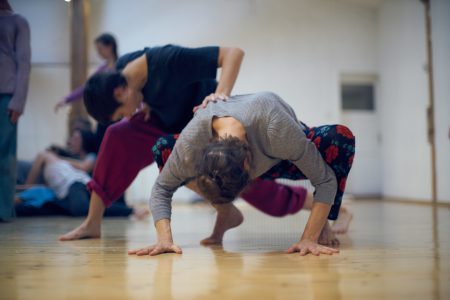
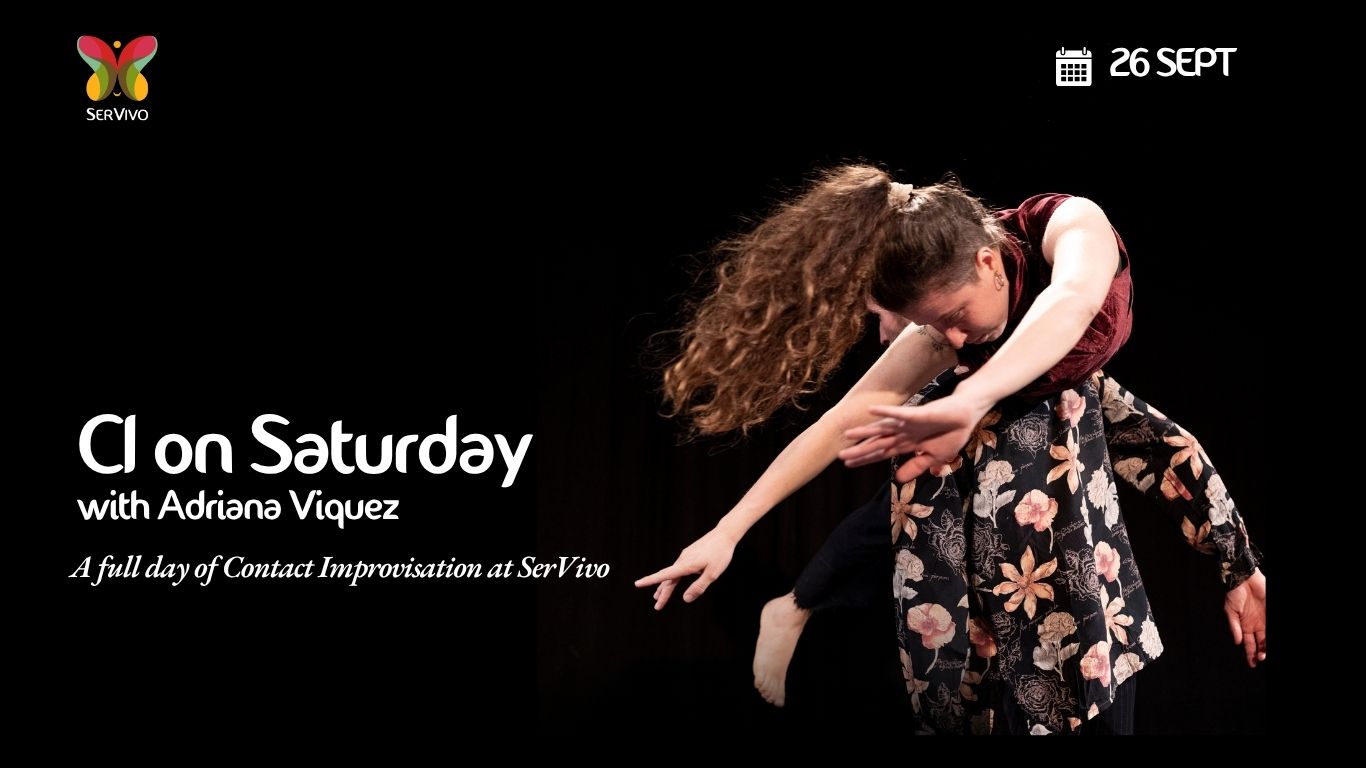
Adriana Víquez
Spherical Bodies
This class proposes an investigation of the spheres present within our bone structure, opening spaces in the body through their mobilization and exploring how such openness and availability support our readiness to meet the ever- changing field of Contact Improvisation.
Read more
We will delve into tridimensionality, disorientation, spirals, orbiting, and circular pathways, while also engaging with clear linear movement and trajectories. Moving between these qualities, an expansion of our movement possibilities is invited. Alongside a deepening of compositional awareness, spatial perception, and capacity for creative choice.
Throughout the class, different dimensions of the dance will be inhabited, allowing its somatic, technical, performative, and poetic aspects to inform one another.
Open to all levels of experience.
Adriana Víquez
Adriana is a Costa Rican performing artist, movement researcher, and Contact Improvisation facilitator.
For over fifteen years, she has been exploring dance and movement practices. She trained in Contemporary Dance in Costa Rica and continued her education in Argentina and Europe. Along the way, she has been deeply influenced by Physical Theatre, Dance Improvisation, Tango, Authentic Movement, Partnering, Contact Improvisation, Butoh, and a variety of somatic practices.
She is drawn to the body as a sensitive territory of listening, imagination and experimentation, where movement emerges through relationship: with oneself, with others, with space and with the surrounding environment. She is particularly interested in the creative and performative potential that arises from these encounters. She also has a growing interest in bringing dance into dialogue with the natural world.
For the past seven years, Contact Improvisation has been at the heart of her research, practice and teaching. She has shared this work in Spain, Portugal and Costa Rica.
Currently based in France, she performs and creates with the company Le Cirque Compost.
Instagram
18th July 2026
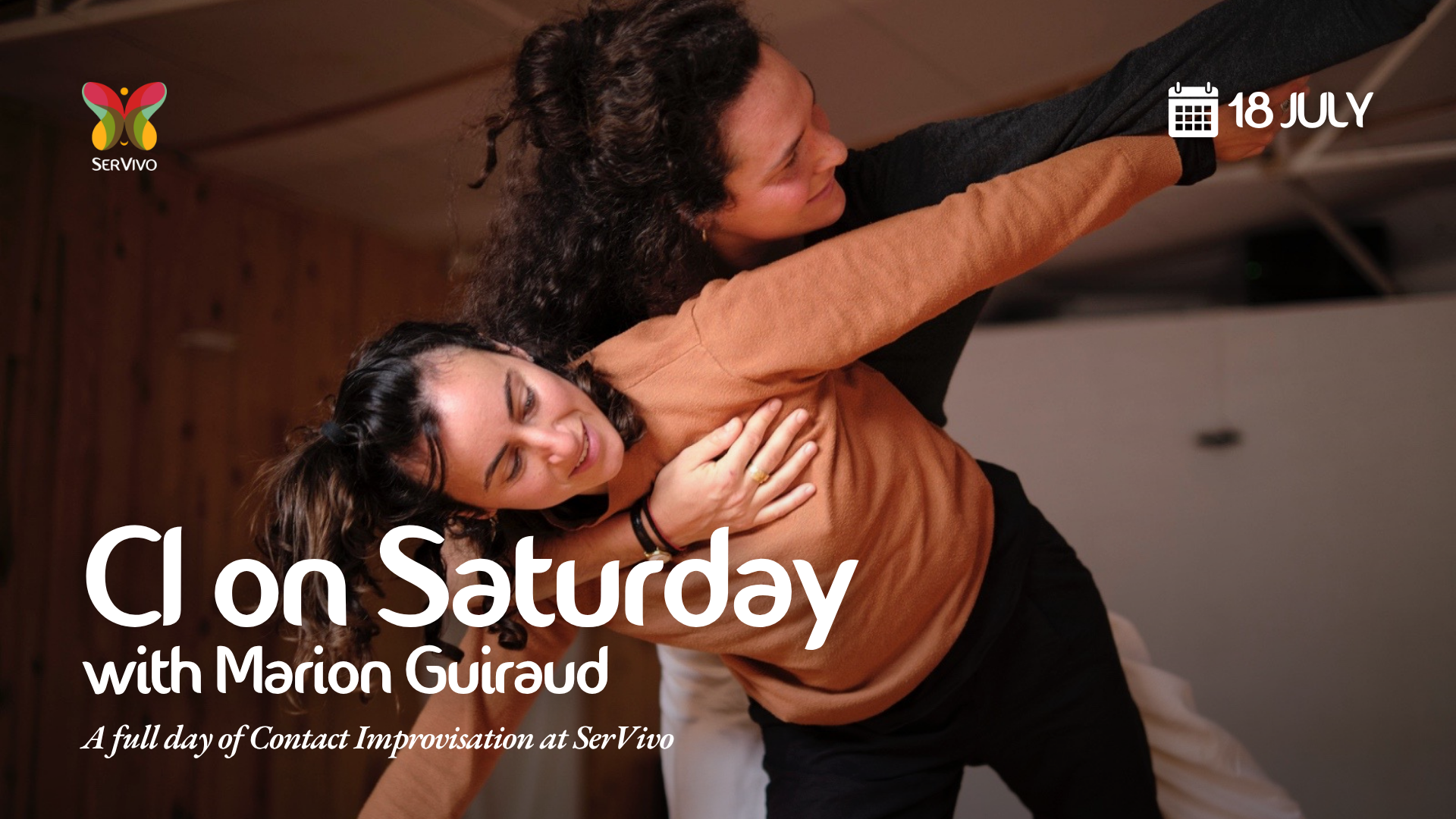
Marion Guiraud
Spinal Mobility : Biomechanics into CI
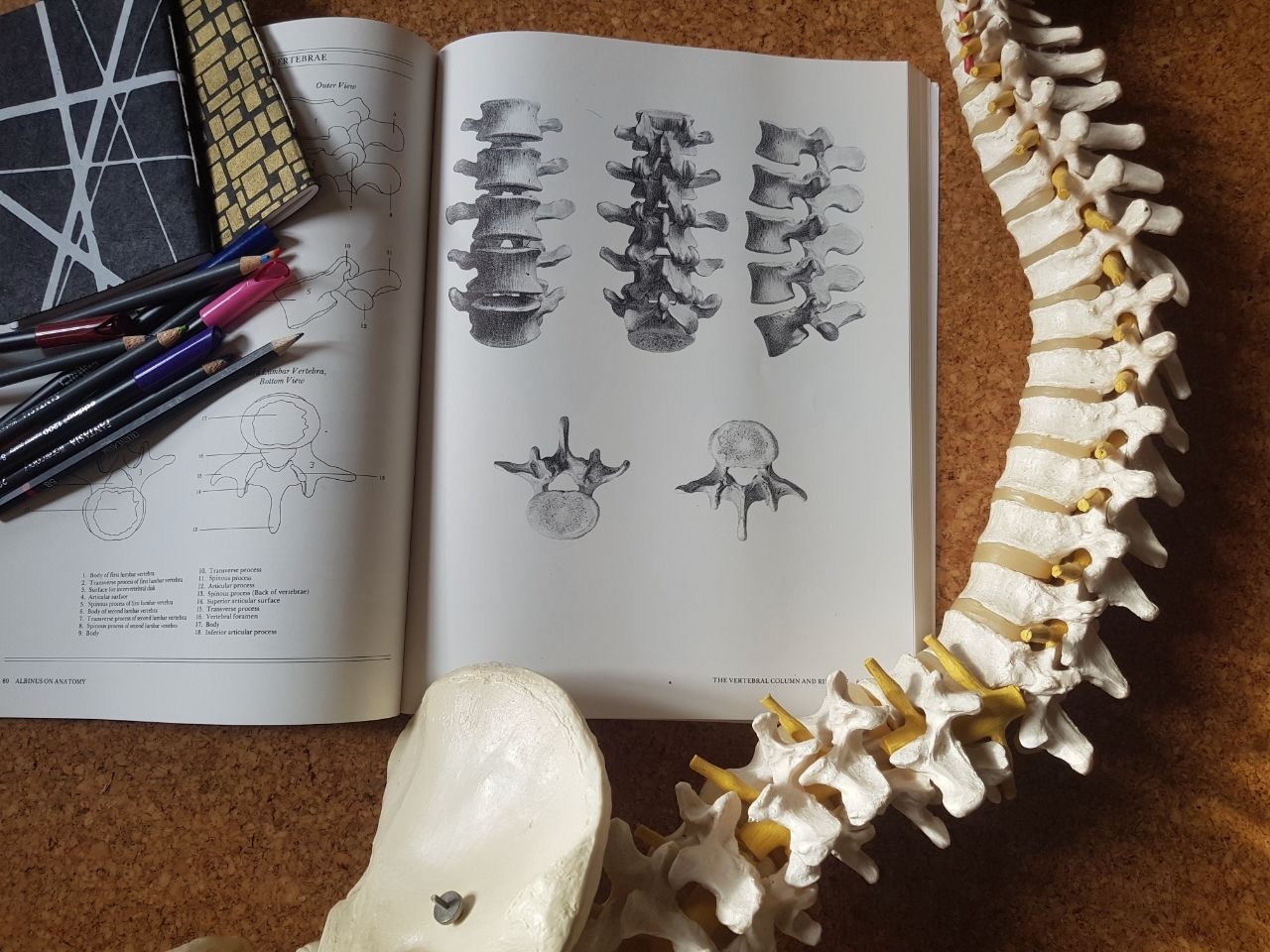
In this class, we will explore the mobility of the spine through a biomechanical lens, shedding light on how the spine plays a key role in the mobility of the body as a whole. By deepening our awareness of the body’s capacity to move across multiple planes and directions, we will expand our movement possibilities while cultivating greater fluidity, harmony and efficiency.
Read more
Through movement research, bodywork, duets, and group dynamics, we will bring this exploration into the sphere of Contact Improvisation and explore how a more available, articulate spine allows us to expand our range of motion, enrich the playfulness of our dance, and revisit our movement patterns.
This class aims to nourish our Contact Improvisation practice through embodied anatomy, while also supporting the adaptability, ease, and lightness of our movements.
Marion Guiraud
is a dancer from Paris, France. She has spent the past ten years practicing, researching, and training in movement disciplines including contemporary and traditional African dances, yoga, capoeira, qi gong and contact improvisation.
She has been facilitating regular dance classes and workshops, mostly in Barcelona, using biomechanics, somatics, and Contact Improvisation as her main tools to explore, expand, and understand the body’s mobility—on its own, in space, and with others.
In 2025, she created a solo dance project called La Fuite [GA], which she performed for the first time in November 2025 in the Casino of La Floresta, Barcelona.
Her affinity for movement, somatic practices, and touch has led her to become a massage therapist. She is currently focusing on soft Thai massage, exploring how the capacity to listen to and attune to another body can be translated into therapeutic bodywork.
IG : @marion.wemove
20th June 2026
Dedicated to Nancy Stark Smith
Global Underscore in quinta ten chi
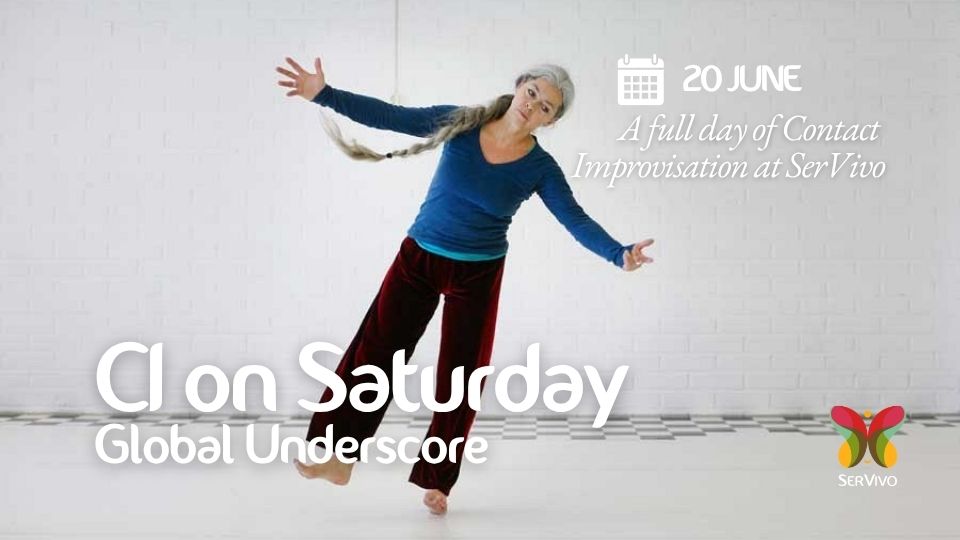
This time, we united with dance spaces of the area Lisbon and Quinta Ten Chi to create an even more connected event, held in the beautiful forest of Sintra!
The Underscore, a long-form dance improvisation structure created by Nancy Stark Smith, incorporates Contact Improvisation (CI) into the broader arena of improvisational dance practice. Global Underscore centers around a yearly event in which the Underscore is practiced simultaneously for a 4-hour period by people all over the world.
More about the Global Underscore here.
Read more
After teaching Contact Improvisation for over fifteen years in the 1970’s–1980’s, Nancy Stark Smith increasingly felt confined by her own curriculum and found herself prolonging open, structureless sections of class without exercises or scores. Her students noticed specific parts of class happening and talked to her about them. Nancy realized there was a consistent score happening operating “under” this open space in her workshops.
The Underscore is a vehicle for incorporating Contact Improvisation into a broader arena of improvisational dance practice; for developing greater ease dancing in spherical space—alone and with others; and for integrating kinesthetic and compositional concerns while improvising. It allows for a full spectrum of energetic and physical expressions, embodying a range of forms and changing states. Its practice is familiar yet unpredictable.
23rd May 2026
Jennie Zimmermann
Playful Orientation
How do we find orientation? Sight, sound, smell, taste, and touch are the most familiar senses that help us to navigate. Additionally we have other special senses that detect the pull of gravity and the movements of our body in relation to the earth. These senses provide us with information about our body’s tone, posture and mobility.
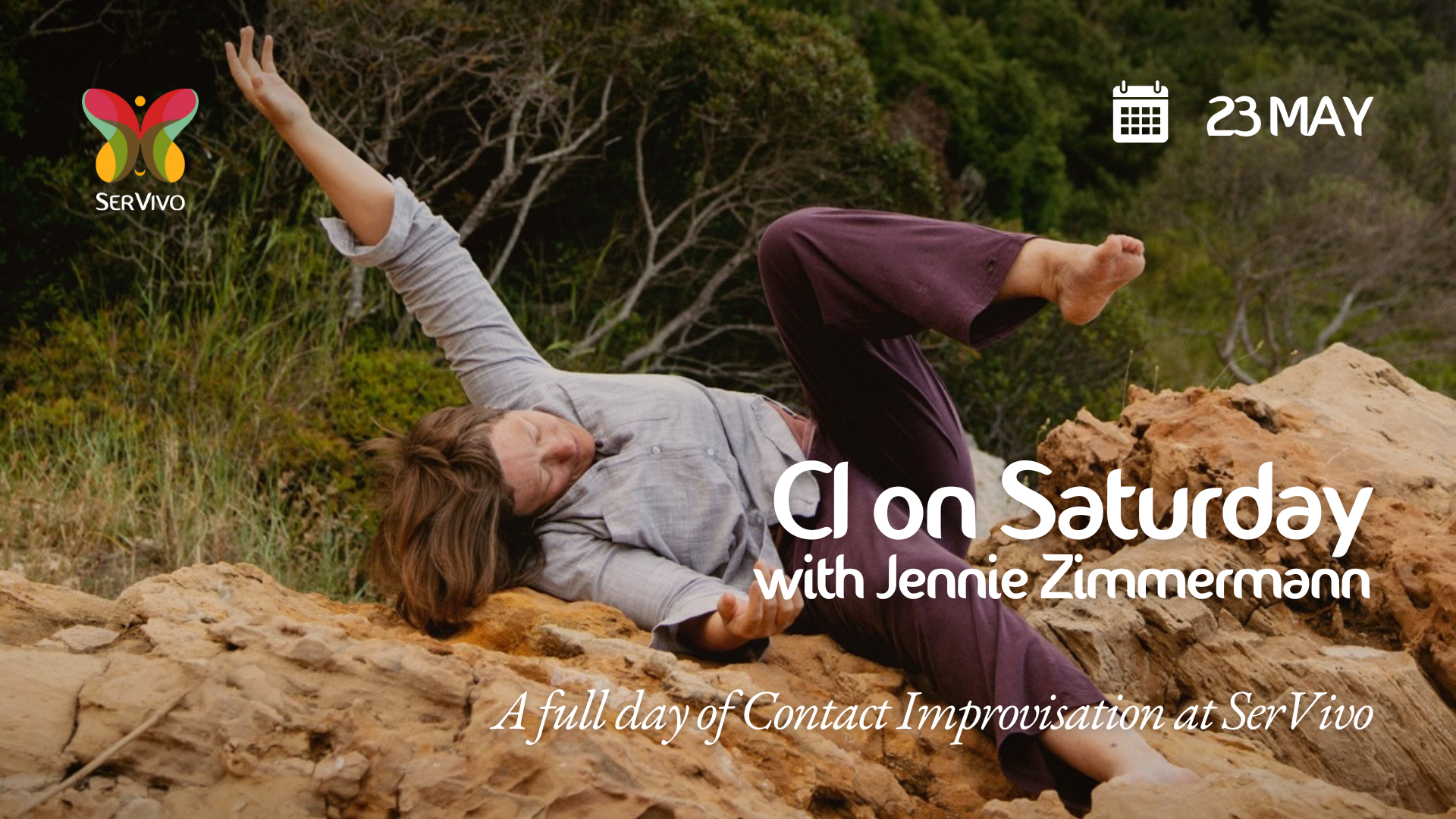
Photo: Alexandra Ruth Bergmann
Read more
We “know” where up and down, right and left, front and back is and which planes we are moving in. Through our senses we receive information about the physical condition of our body and the environment around us, we are able to sense inwards and relate to what is around us.
In this workshop we will explore the body’s tone of different tissues in postures and in movement with hands-on bodywork. We will use the patterns of yield, push, reach and pull to orientate towards gravity, space and the other to find playfulness in solo movement and Contact Improvisation.
Body-Mind Centering® (BMC)
BMC is a somatic approach that engages itself towards movement patterns, reflexes and the lively interplay of different body systems, like bones, fascia, muscles, organs, fluids and the nervous system.
BMC provides anatomical and physiological studies as a base to integrate movement patterns and psychophysical aspects through movement awareness and touch facilitation.
Jennie Zimmermann
I am artist, dancer and Body-Mind Centering® Somatic Movement Educator.
I got to know BMC as part of my CI journey starting in 2005. Since then I entered an ongoing delightful learning process about movement development, reflexes, states of activity and rest, ways to relate and ways to let go.
18th April 2026
Dagmar Bock:
SPIRALS & WAVES
Axis Syllabus & Contact improvisation
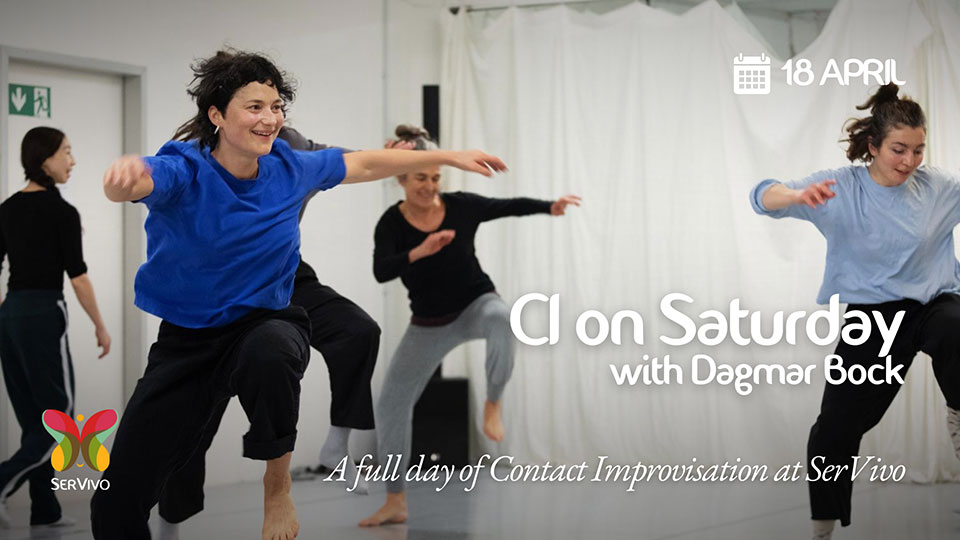
This class explores the potential of spiral and wave-like movements and patterns within the body — on the level of bones, muscles, fascia, and energetic pathways that extend beyond the body’s apparent boundaries.
Read more
We will engage in open explorations with aspects of biomechanics and anatomy, while intuitively diving into the nourishing expansiveness of spirals and waves.
Through various improvisations and partner exercises, participants are invited to experience the dynamics and expressivity of spirals and waves in diverse situations. The collaborative choreography of space and the shared joy of dancing form the heart and inspiration of this practice.
The Axis Syllabus
The Axis Syllabus is a collection of knowledge for learning, researching, and experiencing movement—especially in the context of dance. This includes moving with anatomical relationships, physics, bio-tensegrity, ongoing multi-disciplinary research, movement analysis, and transmission.
An Axis Syllabus class aims to create a collaborative learning environment and an effective space for personal research.
axissyllabus.net
Dagmar Bock
Dagmar Bock is a performer, choreographer, movement researcher, and certified Axis Syllabus teacher. Since 1999, she has worked in performance and theatre contexts with companies such as Cie Toula Limnaios, Sasha Waltz & Guests, and the State Theatre of Nuremberg.
In addition to her work in dance, she is a Craniosacral Bodywork Practitioner, teaches at the University of Music and Theatre Hamburg, and develops her own performance projects. She also practices Chen Tai Chi.
Dagmar’s work is dedicated to creating spaces where the joy of movement and dance can flourish. Her ongoing research into a respectful and gentle relationship with the body—combined with her passion for dance—motivates her to weave together diverse forms of movement and somatic practice. Her teaching focuses on cultivating contexts where participants can deepen their individual connection to the body and engage in shared learning.
14th March 2026
María Cantero:
POLYPHONIES OF A BODY.
CI & BIOMECHANICS.
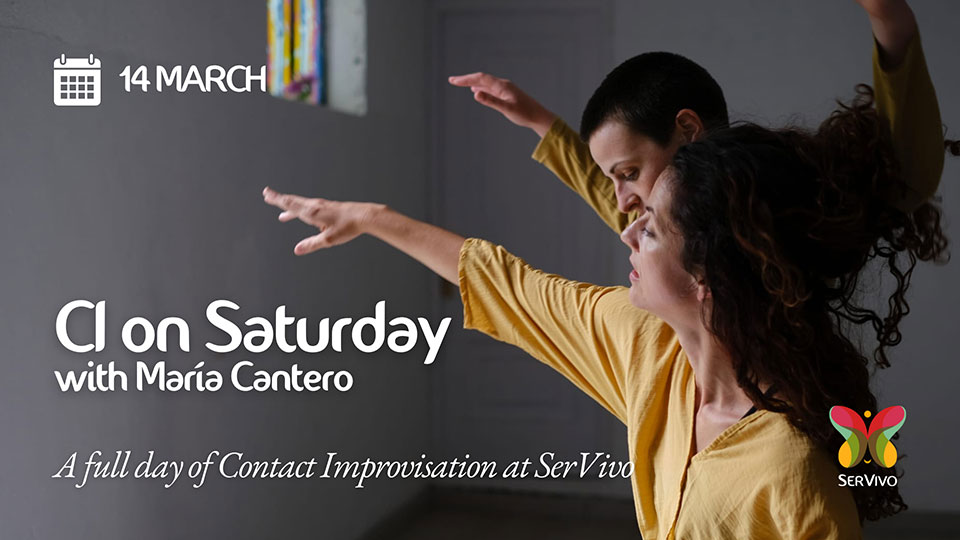
A Contact Improvisation class & jam through somatics & The Axis Syllabus principles. Our body is a complex polyphonic system. Multiple functions operate automatically, such as pulse, breathing, or neuronal synapses, and on top of that, we move and dance, multiple rhythms.
Read more
For Aristotle, movement is a change of place and state. In this workshop, we will play with this definition, tuning in to the polyphonies of our parasympathetic and sympathetic systems.
First, we will listen to the rhythm of our organs and our structure, and then we will work with the articulation of the motor centers, changes in tone, and the sensation and shifting of weight—playing with the sequencing in the movement of masses.
We will work with bouncing, waves, and tempo—both solo and in contact—exploring the principles of Assemble & Disassemble, Fall & Inertia Moments.
What makes me move? What moves us together?
Marie Bardet, in “Thinking Through Moving”, responds: “The concrete, a line in space, a changing light, the falling body, there are many imbalances, the state of being off-center, the inner sensation of a joint, the speed at which I approach someone, or at which I move away…”
Every perception is already action, and it is already composition. We are going to play to tune into our structures and into others in contact, to be able to perceive and jam with the polyphonies of our bodies and the space.
María Cantero
María is a Bachelor’s degree in Philosophy, performer and dancer. I specialize in physical and anthropological theatre (Odin Teatret, Denmark; and Studio Matejka, Poland), and I study contemporary dance with teachers such as Janet Novás, Pau Aran, David Zambrano, Faustin Linyekula, among others. I am currently immersed in studying Axis Syllabus with Kira Kirsch and Antoine Ragot (Berlin).
Contact improvisation runs through my practice and is a constant focus of research. I train with teachers such as Linda Bufali, Mirva Mäkinen, Katja Mustonen, and Anya Cloud, among others. I co-create and co-direct the research spaces in CI and performing arts “Cuerpo Colectivo,” “Espacio A Rigueira,” and the “Galicia Contact Festival” (4th edition).
As a dancer and performer, some of my works include CAMINANDO by Laura Garmo, presented at Surge Madrid and the CENIT Atalaya Festival (Seville); and VOCES, a documentary dance piece directed by Silvia Galán.
Since 2016, as a promoter of Equality and arts-educator for the prevention and awareness of structural violence, I have brought Contact Improvisation and performing arts to rural areas and equality centers through my projects Con-Tacto (Molina de Aragón, Festival El Canto del Gallo, Centro de Igualdad Carme Chacón) and Danza entre Mujeres (a dance-based empowerment project at Centro de Igualdad María de Maeztu, Madrid).
My pedagogical research on the training and creation of material for the actor-dancer, “The Infinite Body”, has led me to conduct workshops, direct, and train groups of professional and amateur artists. My pedagogy draws from physical theatre, the use of the word as a motor and a possibility for movement, somatic techniques, Contact Improvisation, Axis Syllabus, and Flying Low.
I am also currently part of a Contact Improvisation and Instant Composition group, with which we present “Los martes escénicos” in Madrid.
+info: Instagram @maria.cantero_dance
14th February 2026
Viktória Makra:
The desire of Disorientation
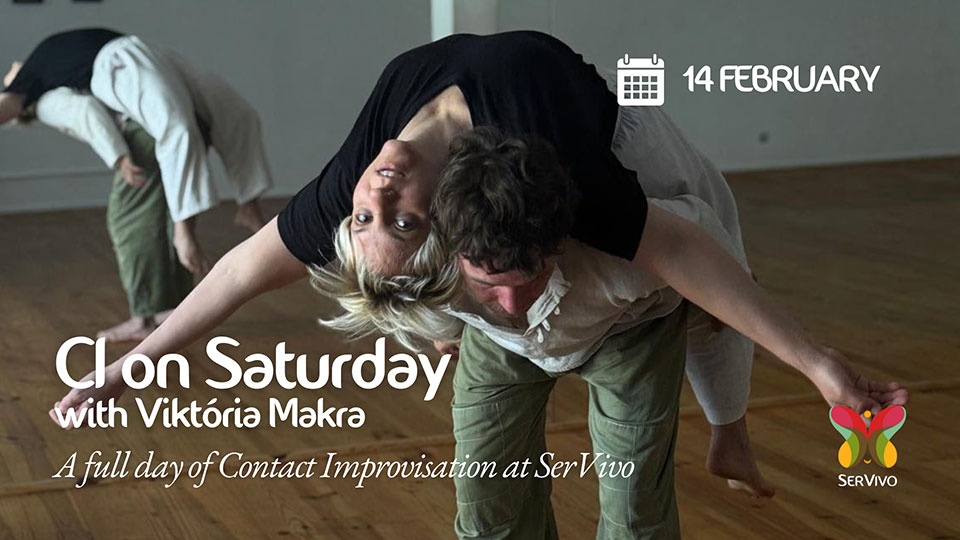
In this Contact Improvisation workshop we will tune into the body’s capacity to navigate shifting support, unexpected pathways, and unfamiliar momentum. We’ll work with techniques and principles that challenge our sense of “upright” and widen our movement vocabulary ( rolling, folding, spiraling, falling, lifting, and being lifted).
Read more
By cultivating trust in both our partners and our own sensory intelligence, we learn to welcome surprise as a partner rather than a threat.
This workshop is an invitation to:
- Heighten listening skills through touch, weight, and shared balance
- Explore disorientation as a gateway to creativity and presence
- Develop comfort with unpredictability in movement
- Expand physical playfulness and improvisational range
- Practice responding rather than reacting
All levels of CI experience are welcome. Curiosity, openness, and a willingness to step into the unknown are the only requirements.
Viktória Makra
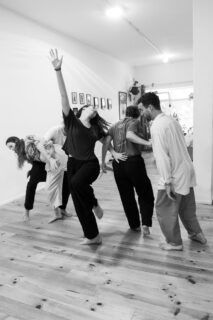
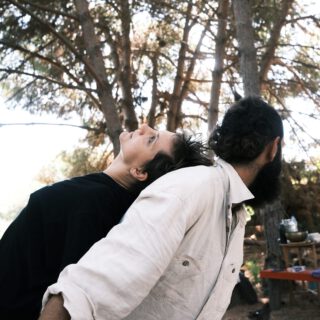
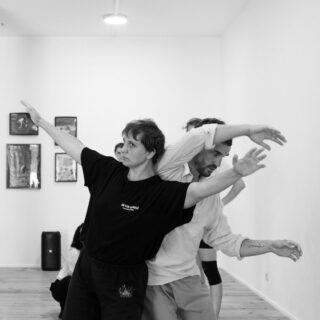
I’m a Hungarian contemporary artist. Contact Improvisation dance teacher, performer, theater director, puppeteer; based in Portugal. I have been performing and holding many workshops in the Balkans, France, Germany, Netherlands, Italy, Portugal, Dubai, Armenia, Egypt and Iran.
My last 20 years in theater and dance helped me to travel the world, my last 16 years in contact improvisation helped me to understand it. Or at least to ask better questions…
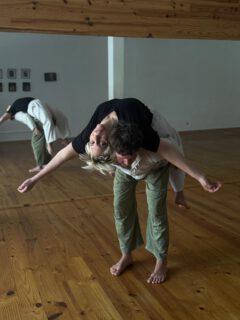
6th December 2025
Elena López de Haro Antúnez:
MOVING ROOTS / SYMBIOTE BODIES
When I give a CI class or even when I enter a jam, many questions come to mind: What do I want and have the capacity to share? How is the space that I am entering and the people I’m going to offer this to? What is the knowledge that I can share?
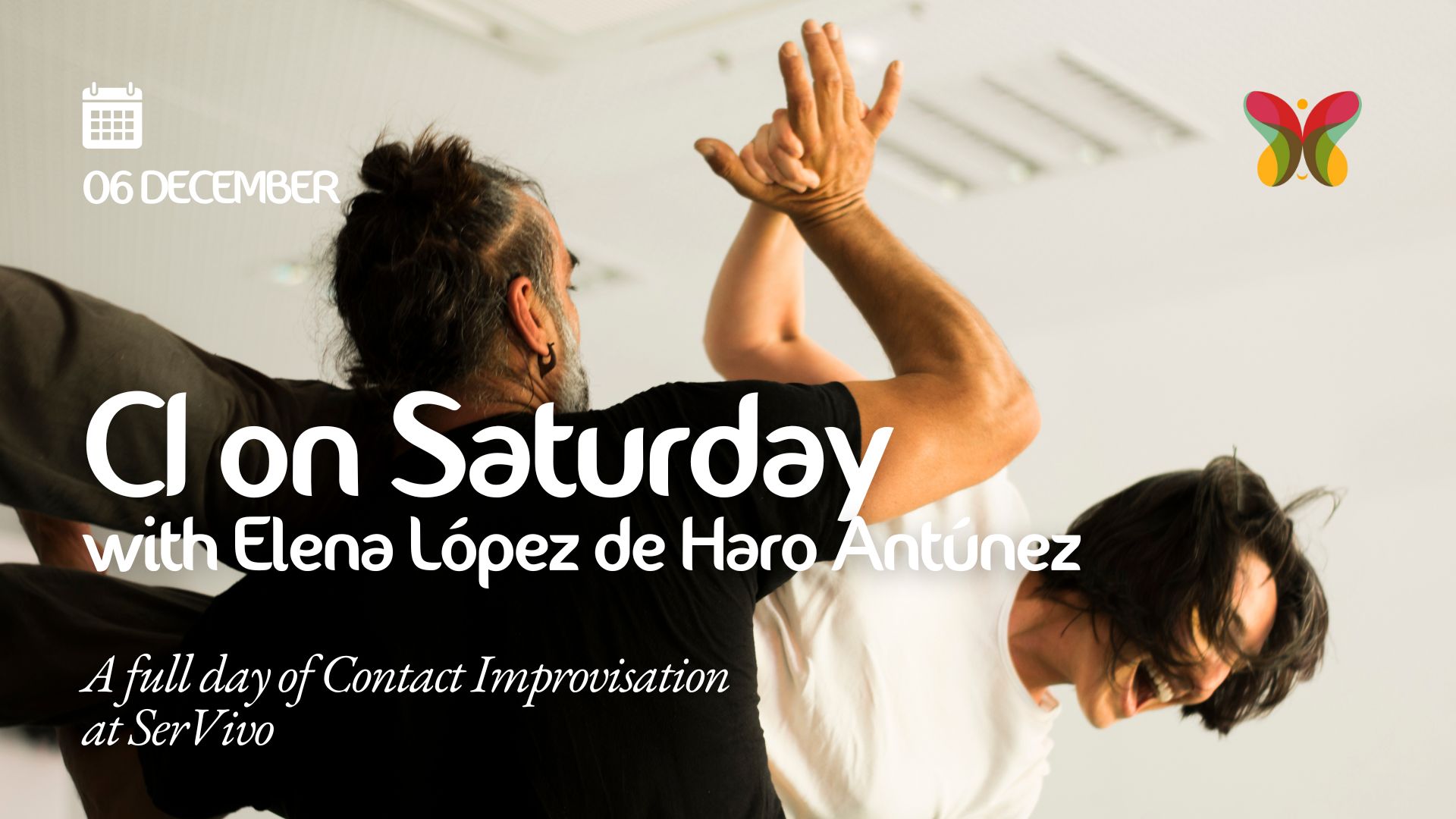
Foto: Raquel Antúnez
Read more
When I move or am moved or when I am about to suggest a movement, am I in a state of pause, of calmness, of patience? When I am in a physical pause, am I in moving thoughts?
And more importantly, will I feel comfortable with all of this, secure, lost sometimes, content of what may come up, surprised of new learnings that will be offered to me?
I could go on with more questions. These are my real tools, the base of my exploration, of my proposal, of my improvisation.
Lately, my explorations are related to the processes of Nature, how to understand them and incorporate them into the body, into movement, into a collective of bodies. To allow images of natural elements to flow through our sensations and give their qualities to a body that transforms and that opens to new possibilities of relationships through mimicry.
I invite you to an exploration where you will begin to let go of “your you”, of your personal traits, where you will have the experience of a sensitive physical body which will distill each of the qualities that can open to the contact, with an alert and open mind, where perceptions are amplified. The great dance begins. Perceiving is already dancing.
Elena López de Haro Antúnez (1970)
Born in Badajoz, she was involved from a young age with knowledge and practice of sports (high level of competitive rhythmic gymnastics) and expressive movements which later evolved to contemporary dance and other performative languages as well as to somatic education.
In Madrid, she combined a degree in physical education with contemporary dance studies led by Carmen Werner, amongst others, and was part of the company “Aracaladanza” in Madrid.
Her training in dance kept going from there, opening up to different techniques and languages (Dance-improvisation, Dance-theatre, Bodyweather, Contact Improvisation, Bodymind Centering, etc.), which brought her to many places to study in Spain and abroad (Madrid, Barcelona, Sevilla, Portugal, Montpellier, London, Dartington (England), Abercych (Wales), Freiburg, Göttingen y Berlin (Germany), Ostuni and Orvieto (Italy), Amsterdam, New York, Tel-Aviv (Israel), Buenos Aires (Argentina), Yspertal (Austria). There, she could learn and be inspired from great professionals like Jess Curtis, Kirstie Simson, KJ Holmes, Gwen Welliver, Lisa Nelson, Nancy Stark, Jöerg Hassman, Deborah Hay, Julyen Hamilton, Ana Mira, Eckard Müller, Daniela Schwartz, Mirva Mäkinem, Lucia Walker, Charlie Morrisey, Gustavo Lecce, Andrea Fernández, Ray Chung, Maya Carrol, Martin Keogh and Patricia Gracia, amongst others.
She has been related for more than 20 years as a dance and pedagogue to the Asociación Experiencia Danza in Badajoz, which she co-founded. Different initiatives related to contemporary dance and contact improvisation diffusion and practice were born through this association, in Badajoz, but also elsewhere, in collaboration with other entities and projects or artists from different disciplines, organizing and imparting workshops with professors invited from Spain and abroad, classes, jams and more, all related to contemporary dance and contact improvisation.
Main last project in collaboration: videodanzas with the visual artist Susan Pérez, research on “relación cuerpo-movimiento-Naturaleza” with pedagogue and creator Paz Brozas, short documentary film “La regla de tres” directed by Carla Alonso.
Today, she is still working as a physical education teacher in the Instituto Castelar in Badajoz and is leading the workshop lab “Cuerpos que hablan” with her association, which is based on dance, conscious movement and creativity. She is also coordinating the Ciclo Ciudadanía Inquieta (Jornadas de Danza y Contact Improvisación en Badajoz).
http://experienciadanza.com/
https://www.facebook.com/experiencia.danza/
https://www.instagram.com/experiencia_danza?igsh=Y3YyOWt0OXd3NHVj
https://instantemovimiento.blogspot.com/

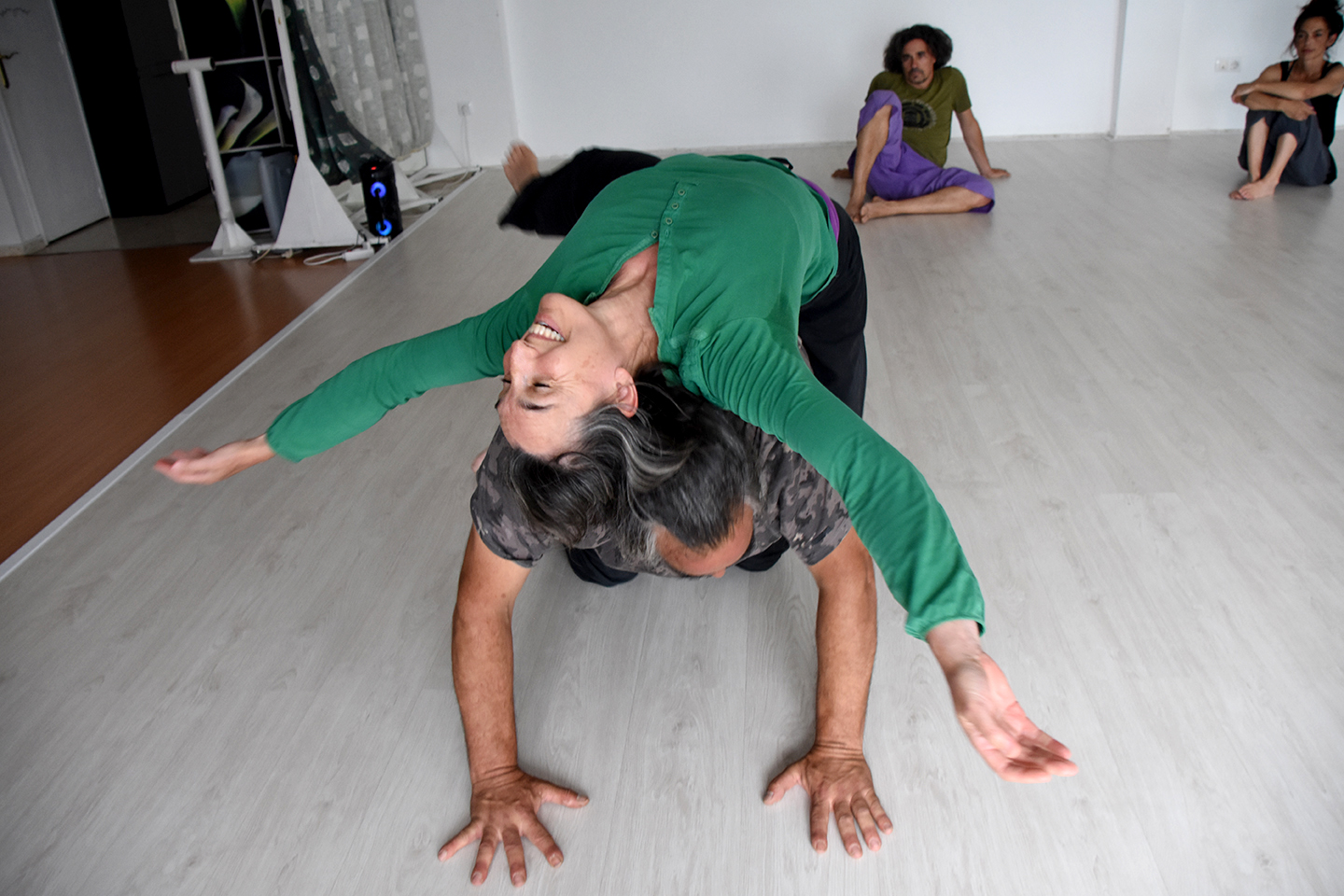
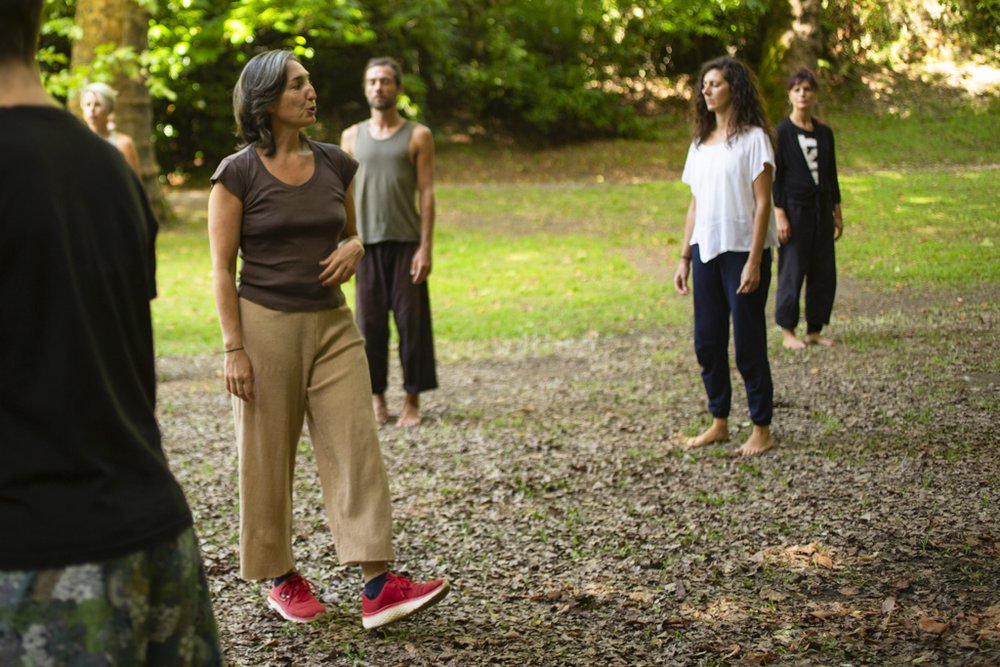
8th November 2025
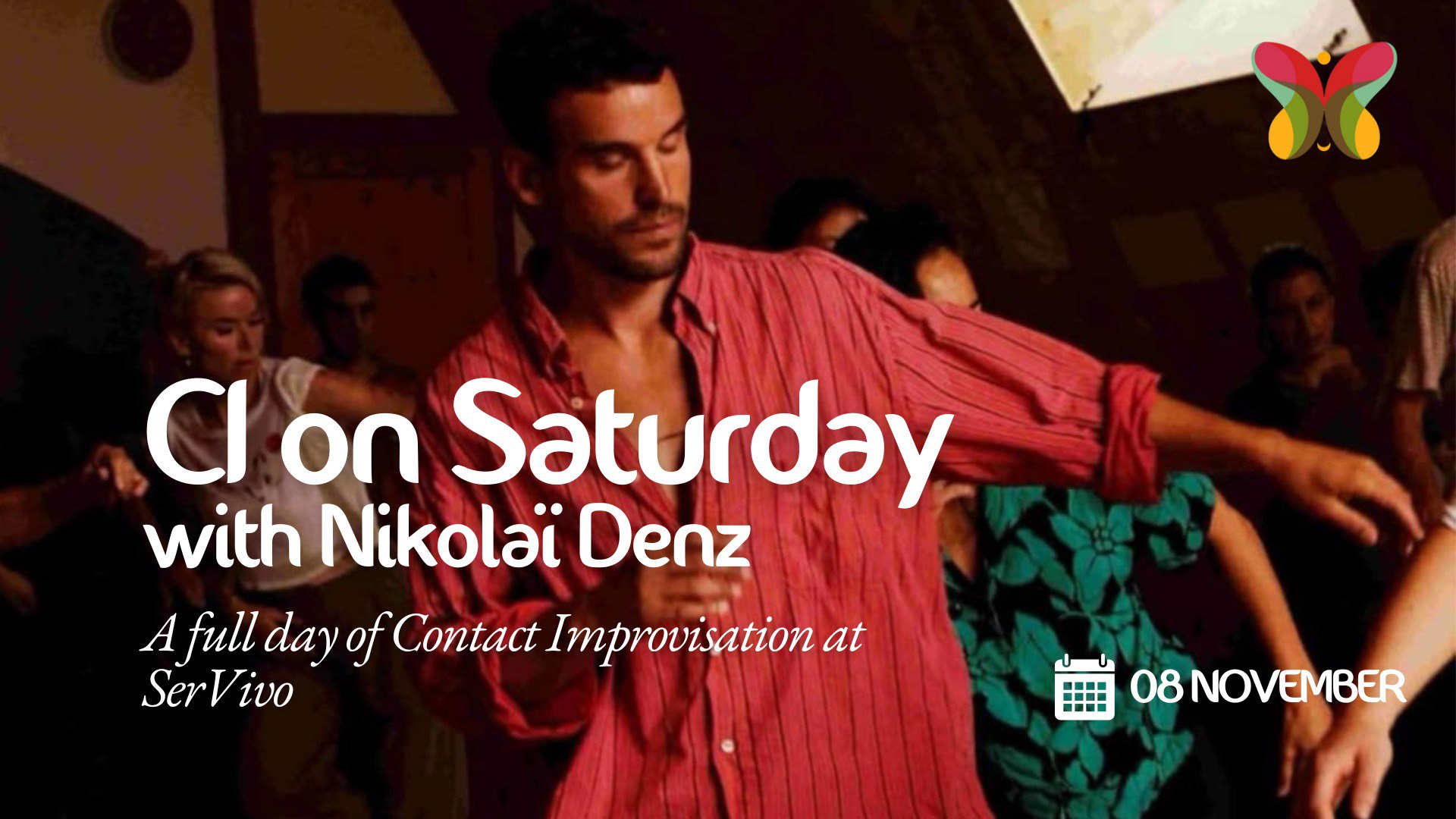
Nikolaï Denz:
THE LIMINAL PHASE – Making space for the in-Between
We live our days moving from one moment to the next – point A to point B – chasing endings, marking beginnings, caught in the pulse of what comes before and after…
Read more
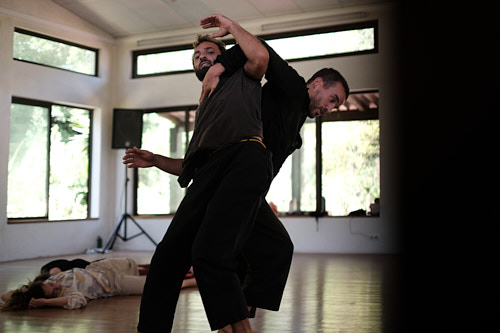
Here, we do not rush towards falling by defining it as the mere shift from standing to lying, but rather, we listen to the unfolding potential of the fall itself. Time stretches, space expands, and transformation arises by itself, rather than being controlled. Can we allow ourselves to not understand a lift by its start and end in order to welcome other, infinite possibilities?
This is not about arriving. This is about becoming. Let’s meet in the liminal. Where direction remains open, not fixed. A place where movement is not a decision, but a question.
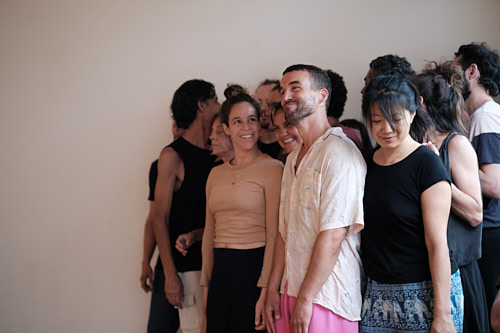
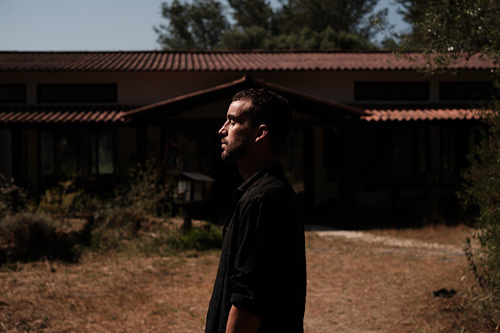
ABOUT NIKOLAÏ DENZ
Still a child, Nikolaï was more interested in Egyptian papyrus scrolls than his native alphabet. Increasing interest in foreign material and immaterial cultures in following years led him to study Cultural Anthropology, Indology and Precolumbian Studies. Working in academia he eventually found himself mentally and corporally stuck and questioning research, academia and science, yes, maybe even humanity in general.
On a long quest for the missing link between the mind and the body, he became successively interested in movement, somatic practices and embodiment. Profoundly altered by the encounter of Gaga dance classes some years ago, he fell later into Contact Improvisation and defines progressively is home nest in it. Also, he tries himself in other disciplines like Physical Theatre, Butō, Contemporary Dance, Fighting Monkey Technique and Partnering.
Nikolaï is currently interested in becoming friends with his past. After many years of separation, he finally gives it some hugs in appreciating the inspiration for movement coming from linguistics, epigraphy, anthropology and words, always researching the physical and corporeal meeting point and asking himself every now and then, if it’s all already there.
17th January 2026
Reimar Wen Shen:
Embodiment: From Form to Formless
In this CI class we will be investigating the different bodies within ourselves. From the obvious to the subtle bodies. The physical body, the energy body, the poetic body, the body of emptiness. From the tangible to the invisible. What bodies are the source of my movement? What bodies am I meeting in the space? How to improvise and draw from the worlds of each body?

Read more
Gazing at the space – do I see the objects, the bodies moving? Do I see the energy that moves the bodies? When I look up – do I see the ceiling? Do I see the empty space? Do I see myself floating in the Milky Way?
When I touch another – Do I touch the bone, muscle, skin? Do I touch the joy, the texture, the mind of the other? Do I touch their world?
When I move – am I moved by something inside or outside? Is this a physical, energetical or imagined action? Can I act from all my bodies, showing up wholly, fully, for this dance?
Am I this body moving, or something vast, mysterious, timeless?
We’ll explore the material through touch, solo movement, stillness and contact. We work our way from the form to the formless and allow the improvisation to guide us. I draw from my experience in Aikido, Butō and Vipassanā.
The movement between being, interbeing and non-being. Let’s dance and explore these bodies together!
Reimar Wen Shen
Reimar Wen Shen is a facilitator, performing artist, and meditation teacher based in Portugal with a German-Singaporean background.
In Contact Improvisation, he has studied in-depth with Bari Kim, Kirstie Simson, Ekaterina Basalaeva, and Sasha Brezrodnova. From 2020 to 2023, he lived in Thailand, where he practiced with and later assisted at the TOWARDS Institute with Sasha Dodo and Dolores Dewhurst Marks.
He has a background in martial arts—Taekwondo (1st Dan) and Aikido (including training at Ryu Dojo in Tokyo)—which form the physical ground of his movement practice. His work in Butoh include creating solo performances Dukkha, Abgrund der Krise, and Requiem Sanctum, and ongoing study of Jinen Butoh with Atsushi Takenouchi.
Reimar’s dance continues to be inspired by his decade-long meditation practice. He is the founder of Vipassana at Home, where he offers online meditation courses, one-to-one guidance, and in-person retreats. He began practicing Vipassana in the Goenka tradition and later trained in Northern Thai Vipassana (Mahasi noting and Open Awareness), including four months in retreat at Wat Sopharam.
His teaching projects include Action & Emptiness (CI), Contemplative Contact Retreat (with Francisco Borges), Aikido & CI, and Shared Body, Shared Dream (Butoh & CI with Virginia Torres). He also co-facilitates OceanDance (with Geraldin Acevedo Espana), combining somatic freediving and Contact Improvisation, which he studied with it’s creators Sasha Brezrodnova and Mario Blanco.
In 2025, he co-created The Healing Museum project at the Bode Museum in Berlin with curator Dr. María López-Fanjul. The project brought mindfulness and somatic presence into the museum setting through guided audio meditations, a curated exhibition, and live events, in collaboration with Charité Berlin.
What is Contact Improvisation?
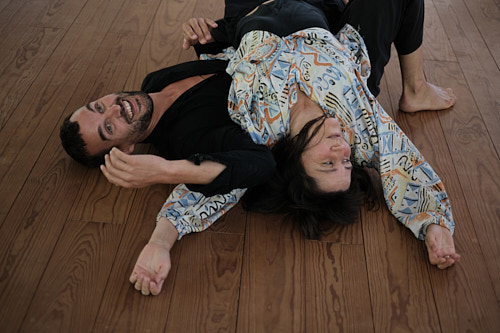
Contact Improvisation (CI) is a postmodern dance practice that explores movement through shared weight, touch, and physical awareness.
Originating in the United States in 1972, contact improvisation was developed by dancer and choreographer Steve Paxton, drawing on influences from modern dance, aikido, and somatic practices. Contact Improvisation emphasizes the interplay of gravity, momentum, and improvisation, fostering an experimental approach to movement that invites both professional dancers and newcomers into its global community.
The practice involves continuous physical touch between dancers, where gravity, momentum, inertia, and friction shape their interactions.
Read more
The dance is further described by Paxton:
“The exigencies of the form dictate a mode of movement which is relaxed, constantly aware and prepared, and onflowing”.
Known for its open “jams,” contact improvisation is both a social dance and a tool for movement research, offering a unique blend of physicality and mindfulness. Formally, contact improvisation is a movement improvisation that is explored with another being. According to one of its first practitioners, Nancy Stark Smith, it “resembles other familiar duet forms, such as the embrace, wrestling, surfing, martial arts, and the Jitterbug, encompassing a wide range of movement from stillness to highly athletic.”